What makes We Love Media talent different?
+
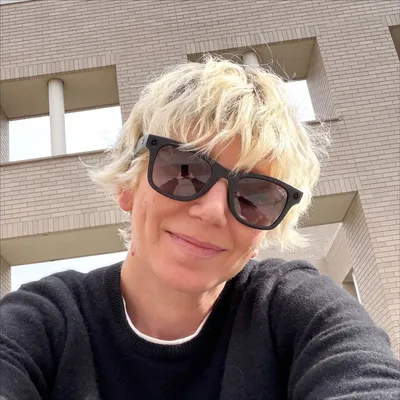
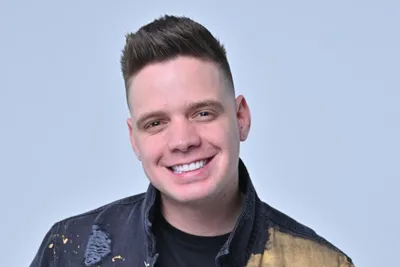
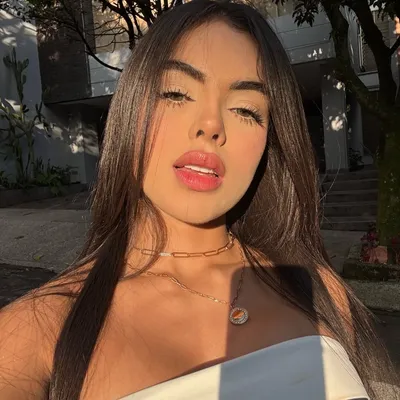
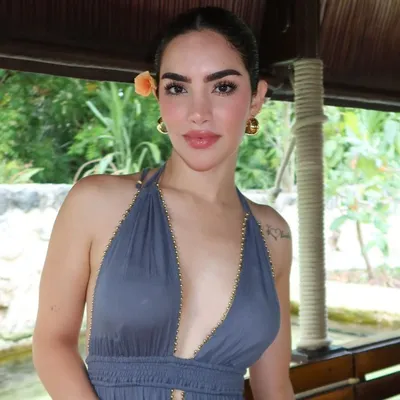
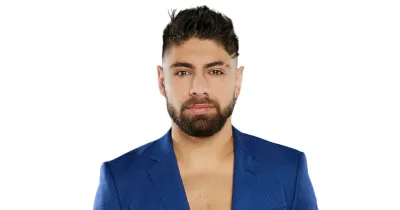
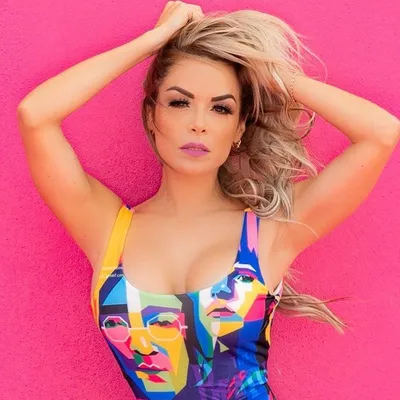
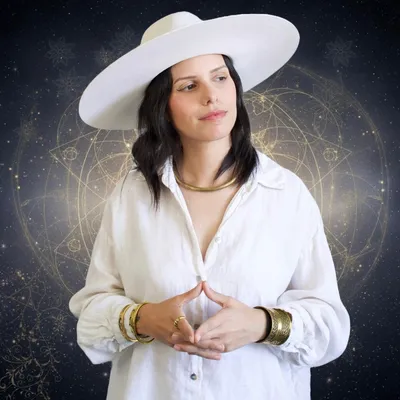
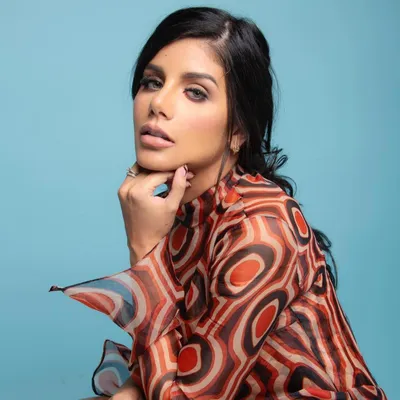
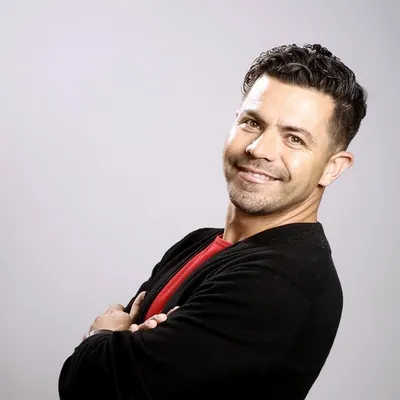
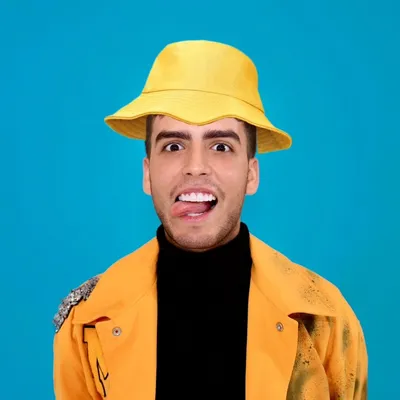
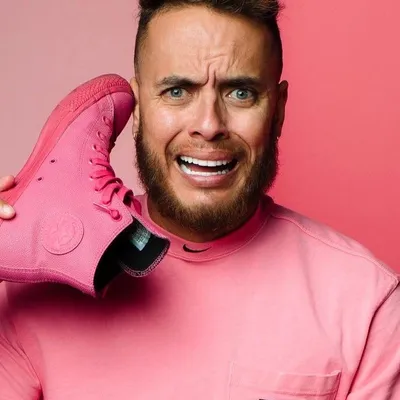
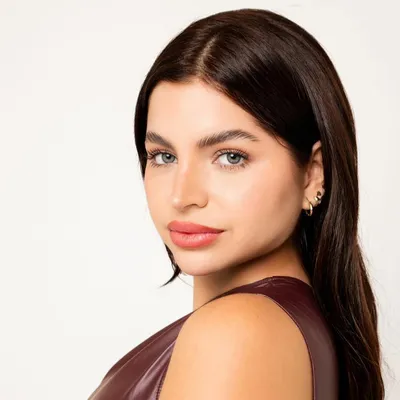
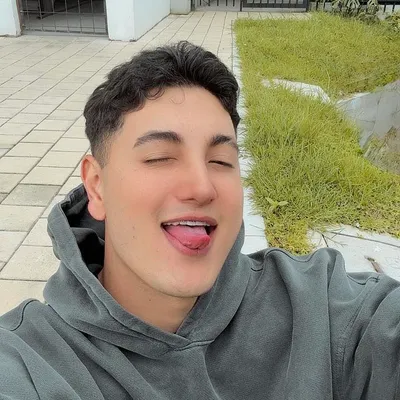
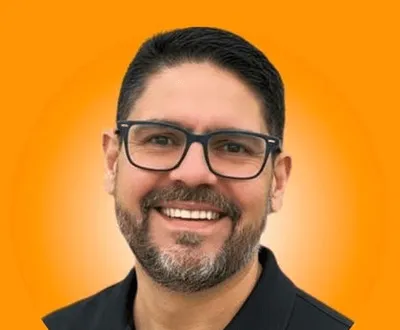
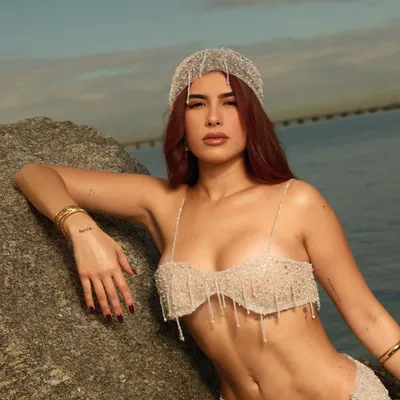
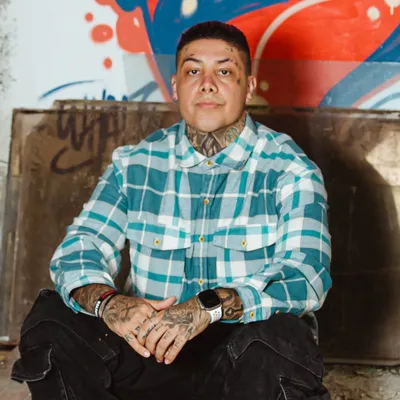
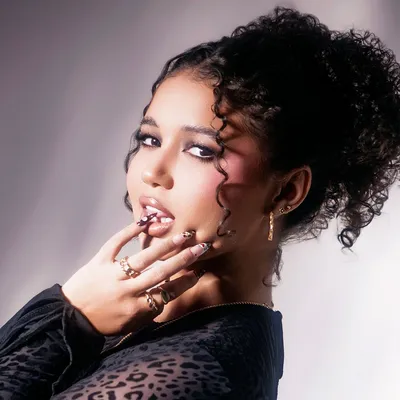
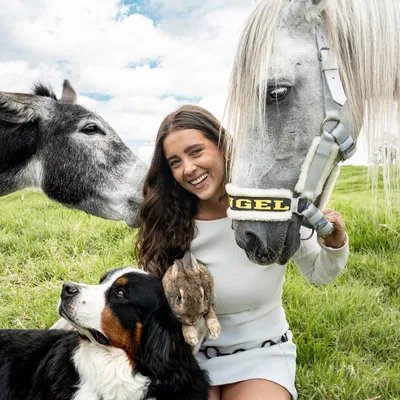
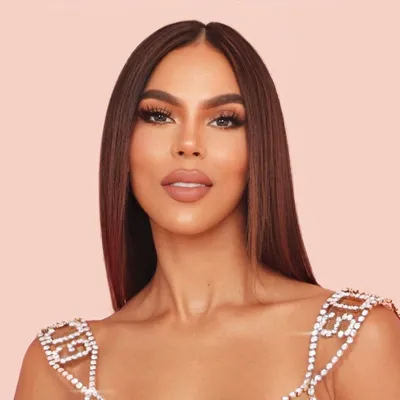
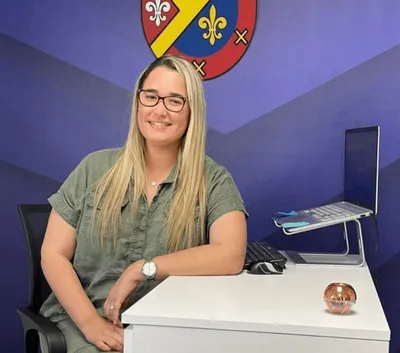
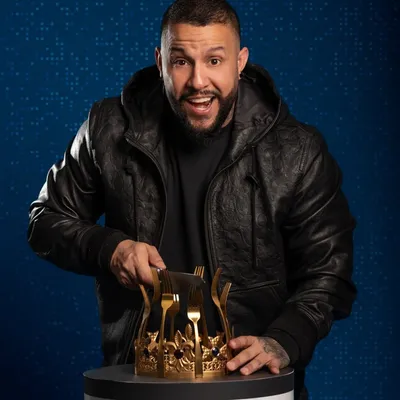
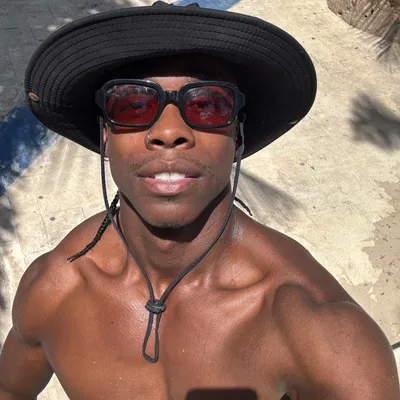
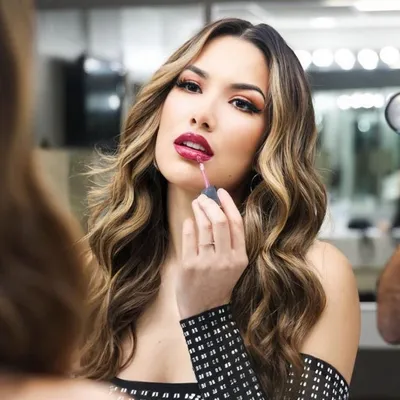
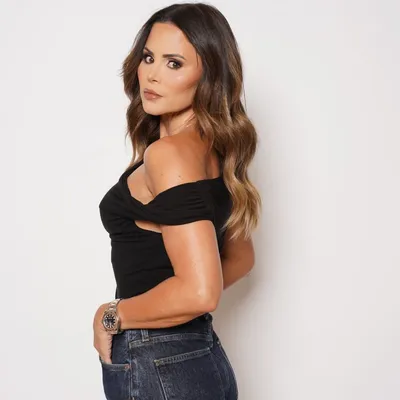
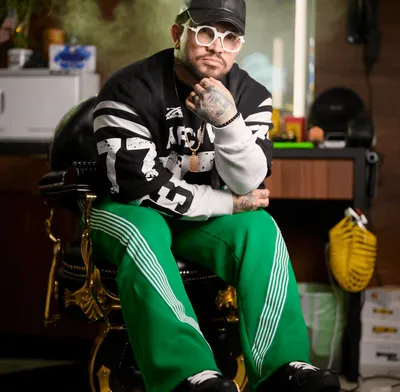
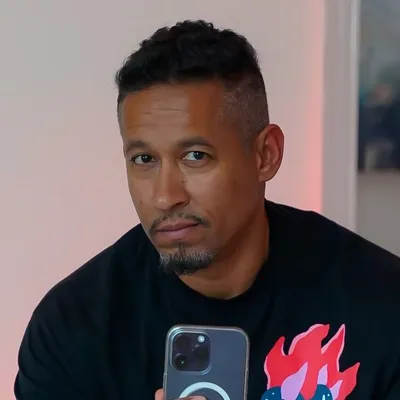
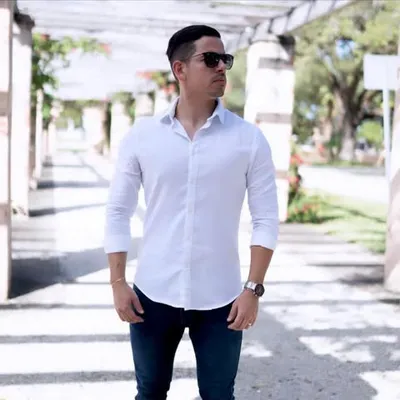
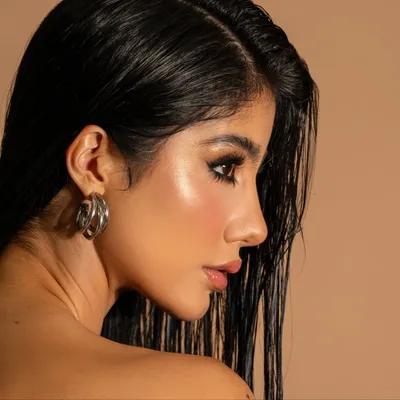
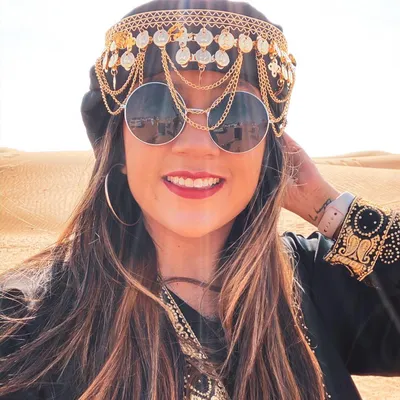
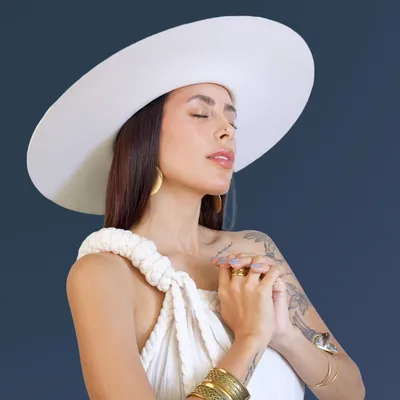
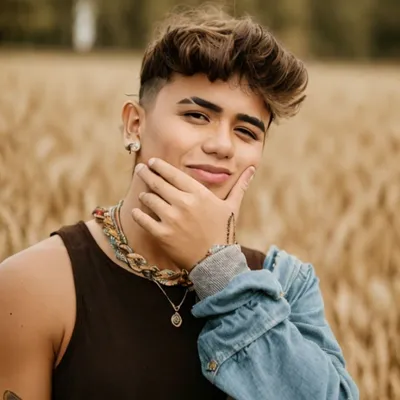
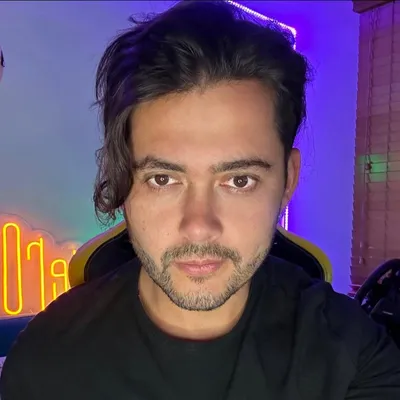
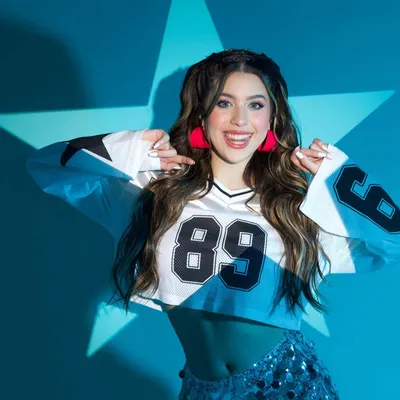
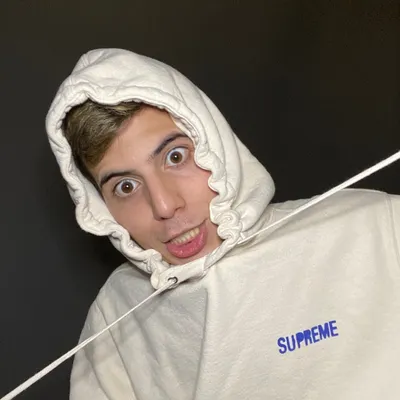
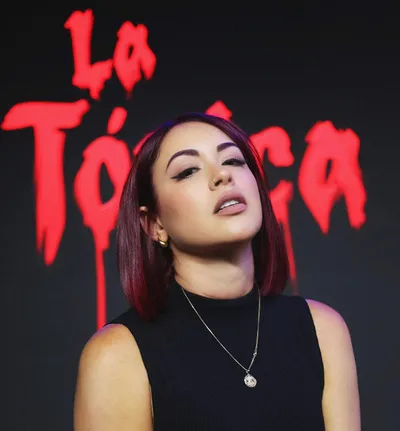
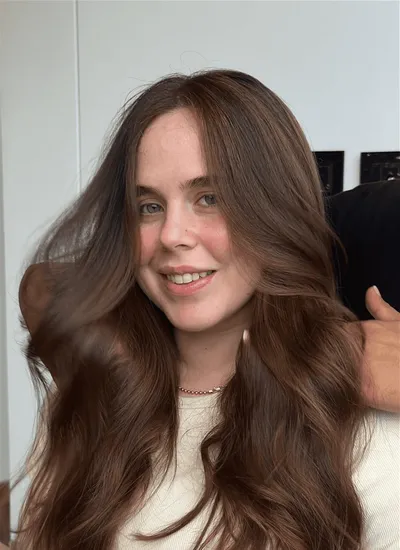
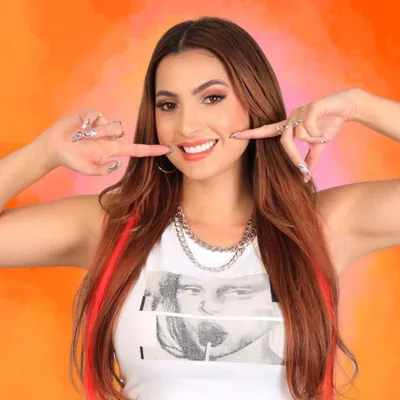
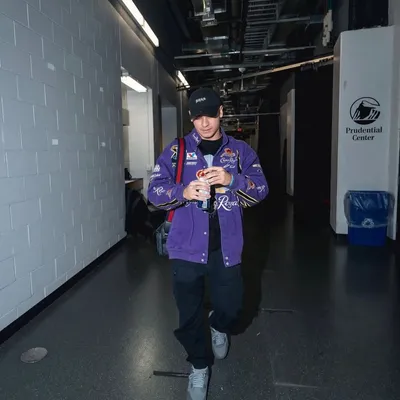
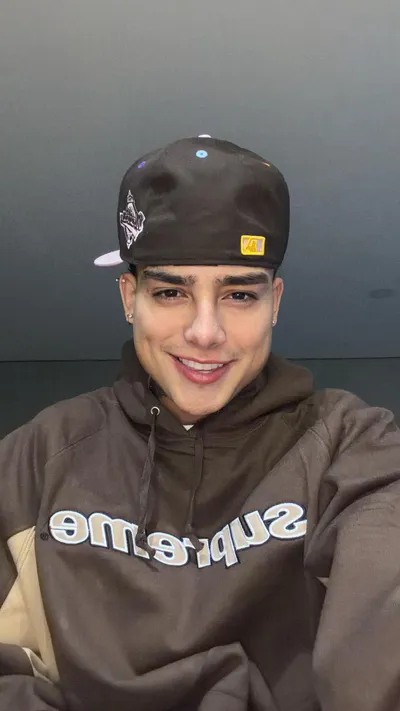
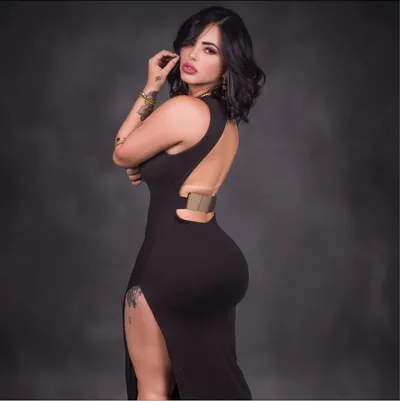
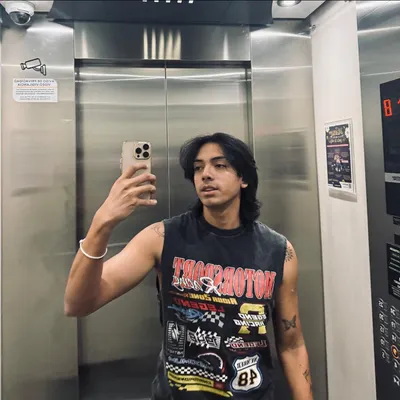
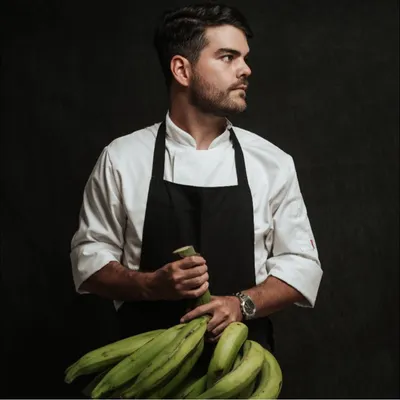
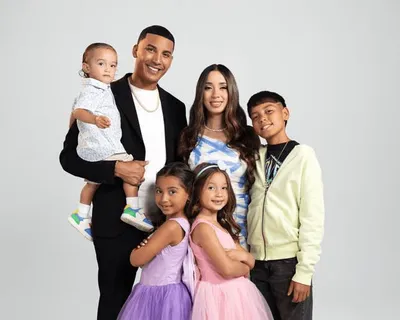
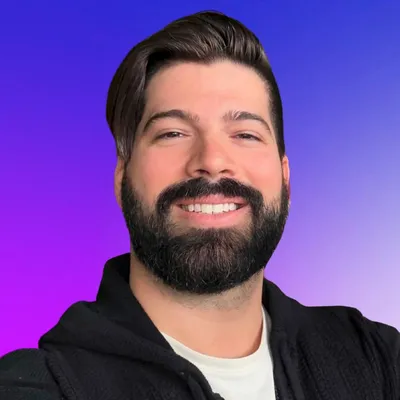
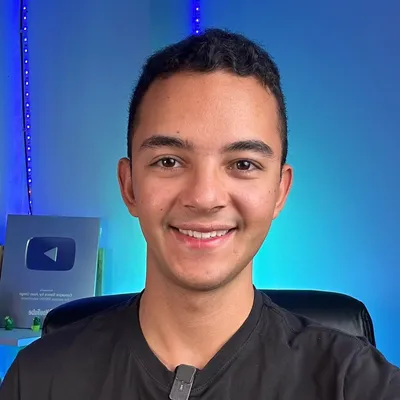
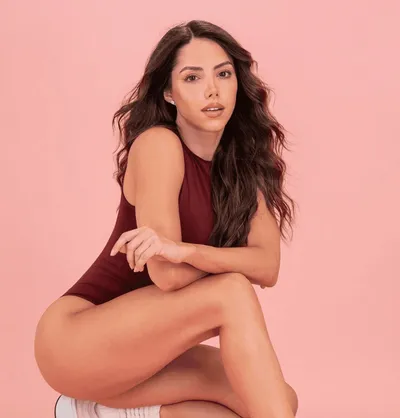
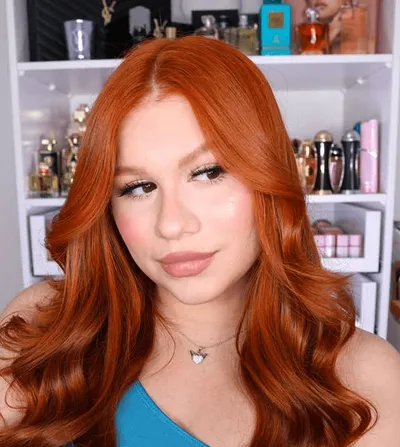
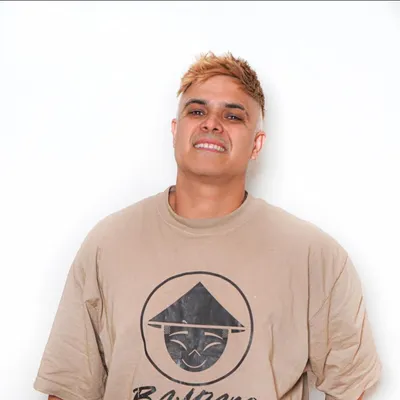
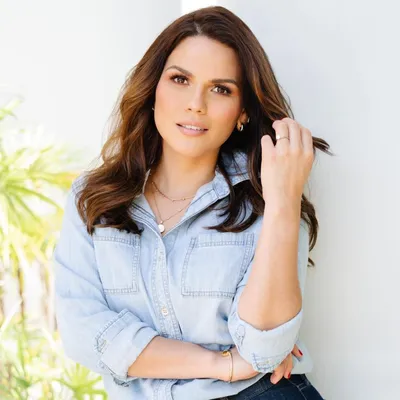
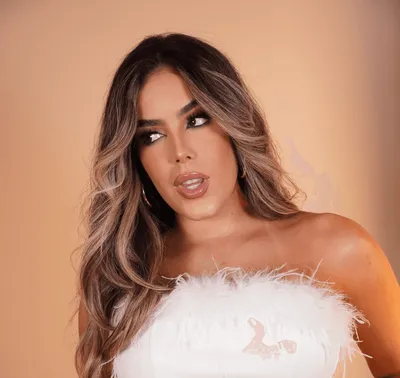
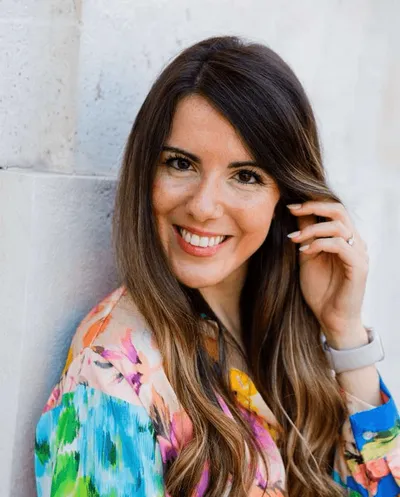
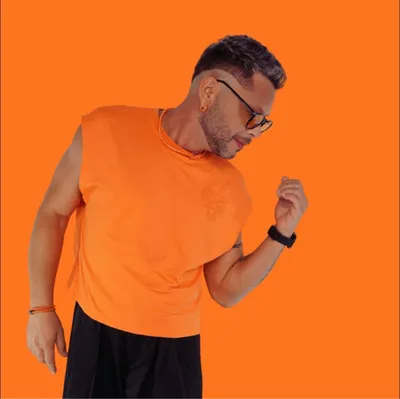
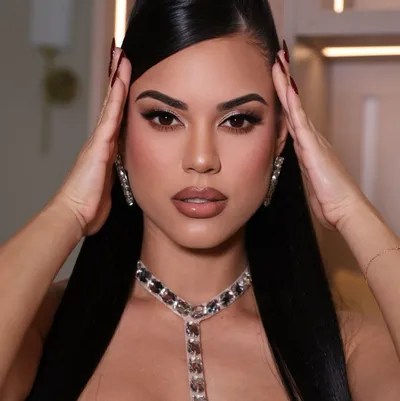
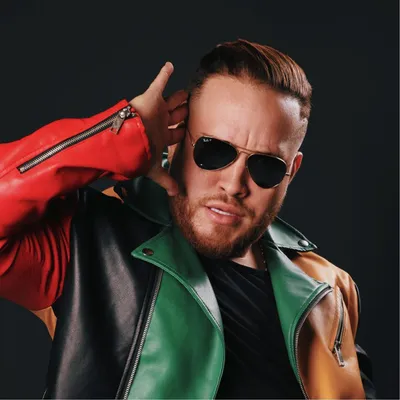
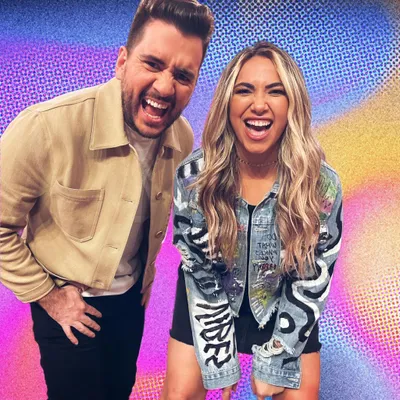
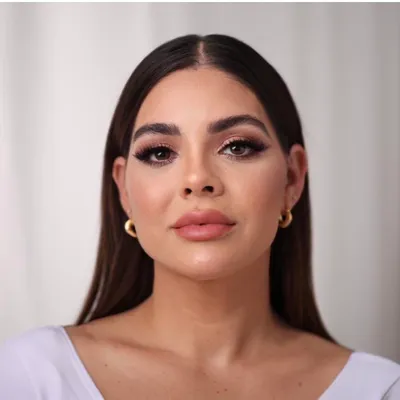
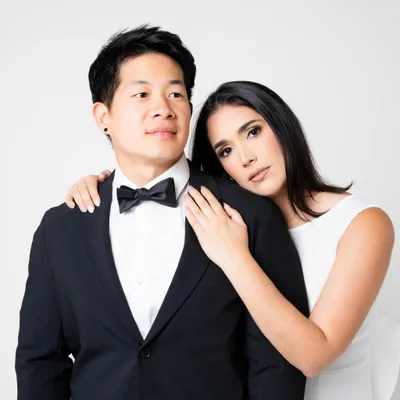
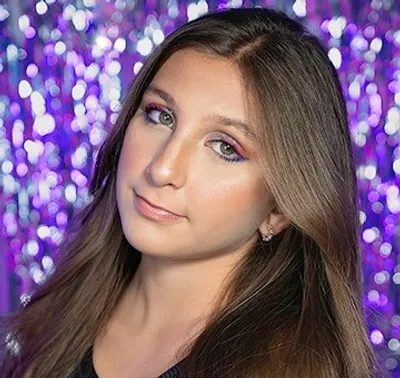
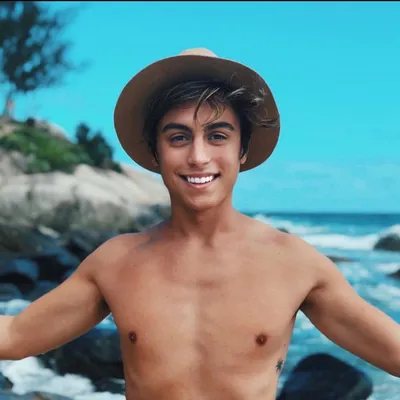
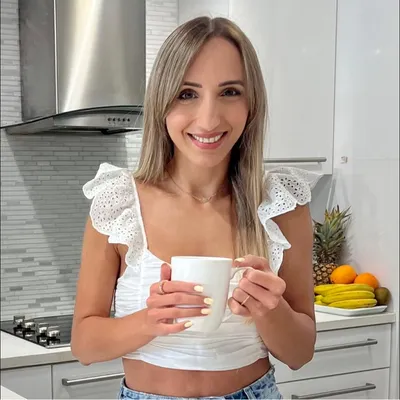
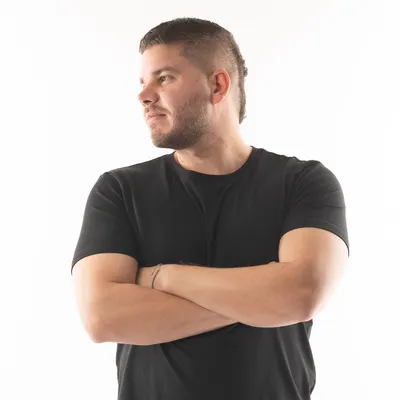
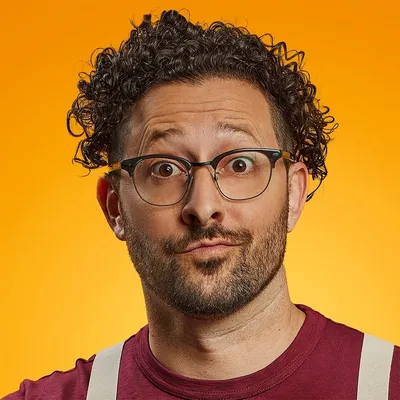
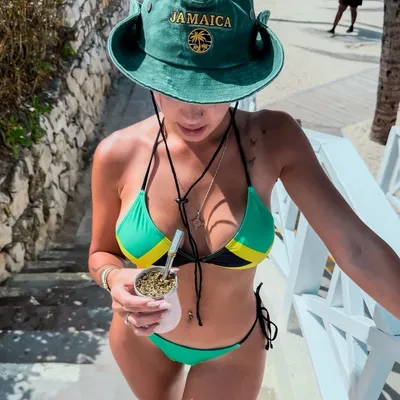
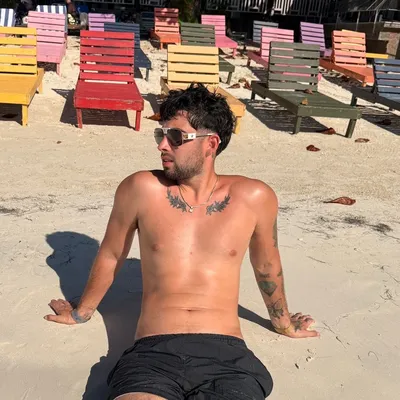
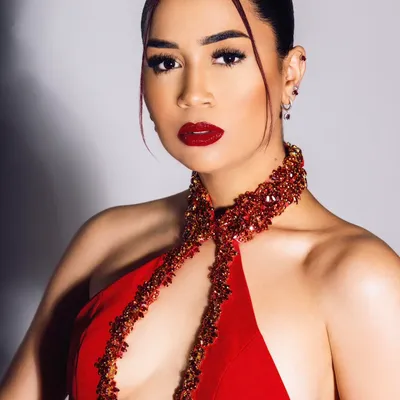
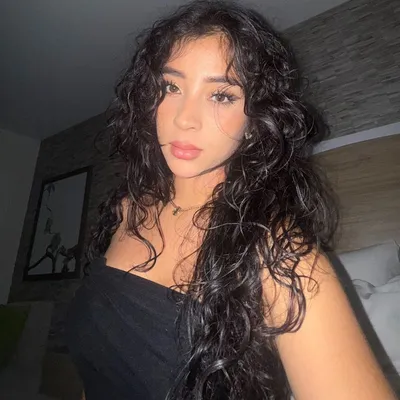
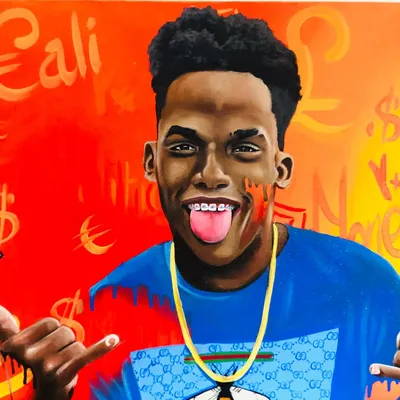
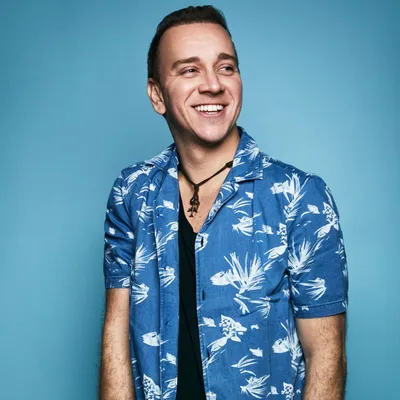
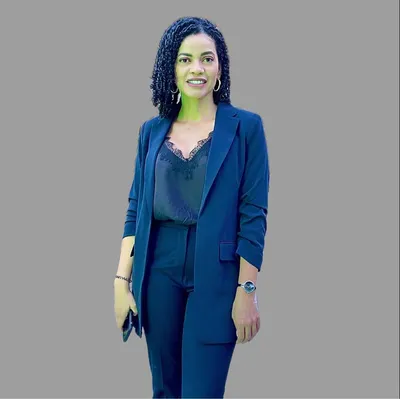
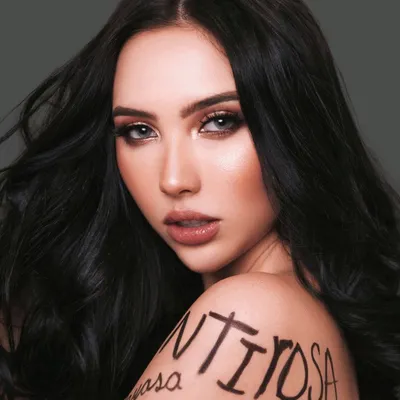
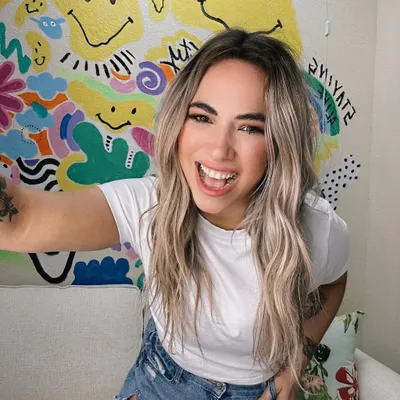
The We Love Media roster is curated and invitation-only: 99+ Hispanic creators selected for engagement quality and cultural relevance rather than follower count alone, spanning comedy, food, beauty, family and music across Instagram, TikTok, YouTube and Facebook. Follower count is the number brands ask for first and the one that predicts the least. A mid-sized creator who reads and answers their comments routinely outperforms a much larger account that does not, because the comment section is where a recommendation stops feeling like an ad and starts feeling like advice. Every creator on the roster keeps an active Instagram audience, most are also on TikTok and dozens run YouTube channels, so campaigns are multi-platform by default. The audience they speak to is the US Hispanic market: 68+ million people and a $4.4 trillion Latino GDP that would be the 4th-largest economy in the world on its own (UCLA Latino GDP Report, 2026), with 85% active on social media (Pew Research).
Is We Love Media recognized by Meta?
+
Yes, through two separate relationships that are often mistaken for one. We Love Media is a Meta Media Partner, which covers talent and creators, and separately a Meta Business Partner, which covers paid media buying. They are distinct programs with distinct requirements, and holding one does not grant the other. Latin American national press describes the agency as the bridge connecting Meta with Latino content creators from Miami. What that means in practice for a brand: the same team can source the creator and run the media behind the content, without handing half the campaign to a second vendor.
How does data shape each campaign?
+
Creator matching starts with audience composition, category affinity and engagement quality rather than raw reach, so a shortlist exists before anyone discusses creative. What data cannot decide is tone. The most common way an influencer campaign fails is a perfect audience match paired with a script the creator would never actually say out loud, and their followers notice almost immediately. So the work is split: data narrows the field, then the creator rewrites the brief in their own voice before anything gets filmed. Reporting closes the loop creator by creator, which is what makes the next round sharper instead of just bigger.
Can campaigns combine influencers and paid ads?
+
Yes, and that combination is the core of the model. Creator content is published organically first, then the pieces that actually earn watch time and saves are amplified as paid ads on Meta, TikTok and Google, managed in-house by a Meta Business Partner. The sequence is the point. Publishing organically first turns the launch into a live test, so budget goes behind creative that has already proven it holds attention instead of behind a guess. The step most brands forget: paid usage rights have to be negotiated in the creator agreement upfront, not after the ad is already running.
How involved is the agency in each project?
+
End to end: briefing, creator selection, contracts and usage rights, production, publishing schedule and reporting. One team is accountable for the entire campaign, which matters most when something goes wrong. If a creator misses a delivery date or a platform rejects an ad, there is no seam between the talent side and the media side where the problem can sit unowned for a week. Brands that split creator sourcing and media buying across two vendors usually lose days in exactly that gap. The tradeoff worth naming: this model works best with a defined campaign scope, not with one-off posts booked at the last minute.